

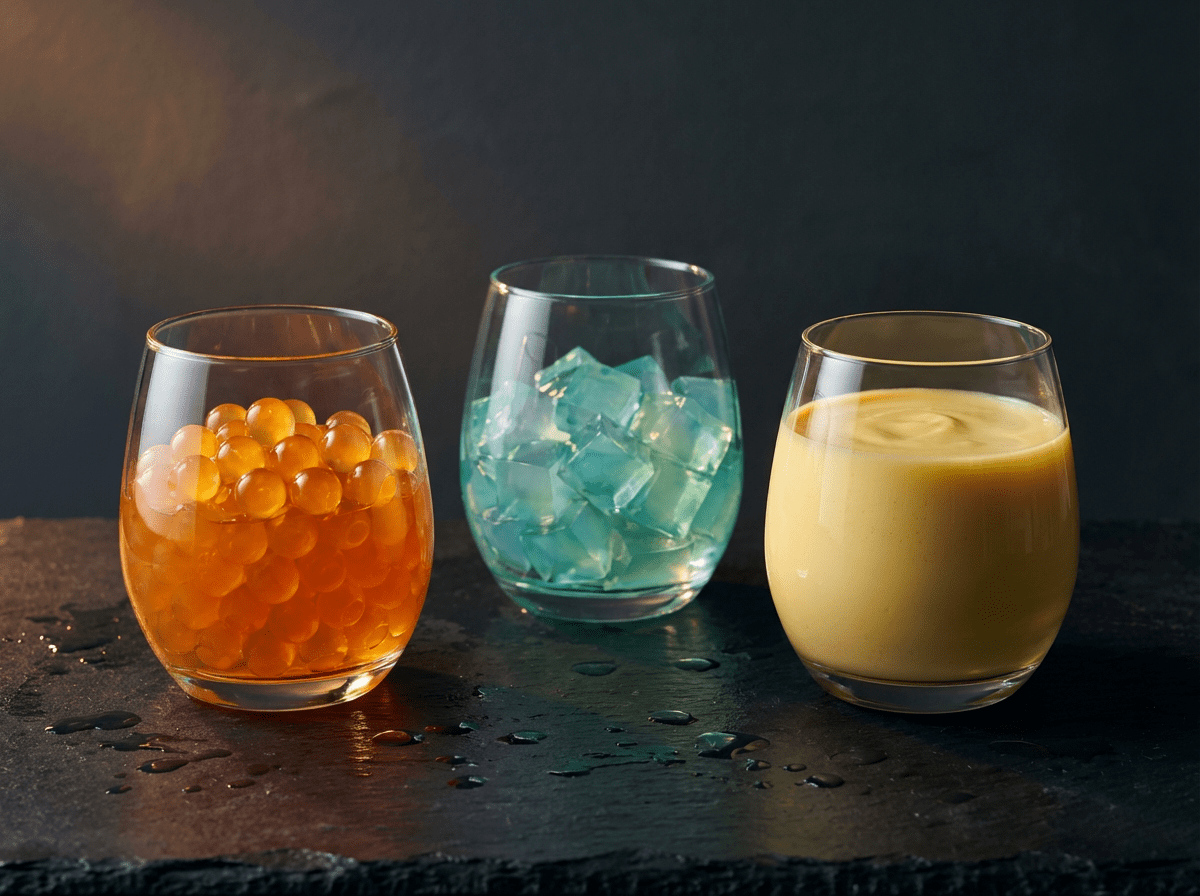
When beverage operators evaluate topping options, they’re making decisions that fundamentally affect mouthfeel, flavor release, operational workflow, and product differentiation. The choice between popping boba, jelly, and pudding isn’t just about variety—it’s about understanding distinct hydrocolloid systems, textural mechanics, and functional performance characteristics that define each topping category. These three topping families represent fundamentally different food science approaches to creating compelling texture experiences, and the technical distinctions between them have direct implications for menu strategy, ingredient costs, and operational efficiency.
What looks like a straightforward menu decision involves complex considerations around ingredient functionality, shelf stability, temperature tolerance, and sensory impact. Popping boba uses spherification technology to create juice-filled membranes that rupture under pressure. Jelly employs gelling agents to create elastic, cohesive structures that maintain shape integrity. Pudding relies on starch gelatinization and protein coagulation to deliver creamy, smooth textures. Each system behaves differently in beverages, interacts uniquely with other ingredients, and presents distinct operational requirements. For operators building beverage programs, understanding these technical fundamentals translates to smarter topping selection that aligns with product positioning, operational capabilities, and customer expectations.
The Hydrocolloid Science: Understanding What Makes Each Topping Different
The fundamental technical difference between these topping categories lies in their hydrocolloid systems and structural mechanics. Popping boba represents spherification technology—typically using sodium alginate that cross-links with calcium chloride to form thin membranes encapsulating liquid centers. The resulting spheres contain 90-95% liquid by weight, with membrane thickness of just 0.3-0.5mm. Under bite pressure of approximately 150-200 grams, these membranes rupture, releasing concentrated flavor in a burst that delivers immediate sensory impact.
Jelly toppings employ entirely different gelling mechanisms. Most commercial bubble tea jellies use konjac glucomannan, carrageenan, or agar as primary gelling agents, often in combination to achieve specific texture profiles. These hydrocolloids create three-dimensional gel networks that trap water molecules through hydrogen bonding and polymer entanglement. The result? Elastic, cohesive textures that maintain structural integrity even when cut into cubes or shapes. Jelly water content typically ranges from 85-92%, with gel strength (measured by texture analyzer as breaking force) varying from 200-800 grams depending on hydrocolloid concentration and type. This wide range enables texture customization from soft, yielding jellies to firm, bouncy variants.
Pudding formulations take a third approach, combining starches with milk proteins and stabilizers to create semi-solid, spoonable textures. Commercial beverage puddings typically use modified food starches that gelatinize at controlled temperatures, creating viscosity and thickness through starch granule swelling and amylose leaching. Additional structure comes from casein proteins that form weak gels under specific pH and temperature conditions. The resulting texture is fundamentally different from both popping boba and jelly—smooth, creamy, and yielding rather than bursting or bouncing. Pudding water content sits around 75-80%, with the remaining mass distributed between starch, proteins, sugars, and stabilizers.
These structural differences manifest in distinct sensory experiences. Popping boba delivers burst-and-release dynamics with concentrated flavor impact. Jelly provides sustained chewing texture with gradual flavor release. Pudding offers smooth, creamy mouthfeel with integrated flavor throughout. Understanding these mechanics helps operators match toppings to beverage concepts and customer preferences.
Comparative Performance Analysis: Technical Specifications and Functional Attributes
| Topping Type | Primary Hydrocolloids | Water Content | Texture Mechanism | Shelf Life (Unopened) | Temperature Stability |
|---|---|---|---|---|---|
| Popping Boba | Sodium alginate, calcium chloride | 90-95% | Membrane rupture under pressure | 12-18 months (refrigerated) | Limited: 2-35°C |
| Jelly | Konjac, carrageenan, agar | 85-92% | Gel network elasticity | 12-24 months (room temp) | Excellent: -5 to 80°C |
| Pudding | Modified starch, milk proteins | 75-80% | Starch gel + protein network | 6-12 months (refrigerated) | Good: 2-40°C |
The temperature stability differences have significant operational implications. Jelly’s thermal tolerance makes it suitable for both hot and cold beverages—a versatility neither popping boba nor pudding can match. Popping boba membranes degrade in temperatures above 35°C, limiting use to cold beverages exclusively. The alginate membrane’s structural integrity depends on maintaining calcium-alginate cross-links that weaken under heat stress. Similarly, pudding textures break down when exposed to temperatures above 40°C as starch retrogradation accelerates and protein networks denature.
Shelf stability variations affect inventory management and sourcing decisions. Jelly’s room-temperature stability and extended shelf life reduce refrigeration requirements and minimize waste from expiration. Popping boba’s refrigeration requirement adds operational complexity but reflects the product’s high liquid content and limited preservative systems—attributes that appeal to clean-label positioning but demand tighter inventory management. Pudding falls between these extremes, requiring refrigeration but offering reasonable shelf life for moderate-volume operations.
Flavor Delivery Systems: How Topping Structure Affects Taste Experience
The interaction between topping structure and flavor perception represents critical product development considerations. Popping boba’s burst mechanism delivers concentrated flavor in discrete events—each rupture releases 0.3-0.5ml of concentrated juice or syrup directly onto taste receptors. This creates intense, immediate flavor impact that registers distinctly from the base beverage. The temporal flavor profile shows sharp peaks corresponding to each popping event, creating dynamic sensory experiences that engage consumers through textural surprise and concentrated taste bursts.
Contrast this with jelly’s gradual flavor release mechanism. Because flavor compounds are distributed throughout the gel matrix rather than concentrated in liquid cores, taste perception unfolds more slowly as the jelly breaks down during chewing. Hydrocolloid networks physically entrap flavor molecules, moderating their release rate. This creates sustained, milder flavor contributions that integrate more subtly with the beverage. For operators, this means jelly serves better as textural enhancement with complementary flavoring rather than bold, contrasting taste elements.
Pudding’s flavor delivery follows yet another pattern. The smooth, creamy texture coats oral surfaces, creating lingering flavor impressions through extended contact time with taste receptors. Milk proteins and fats (when present) enhance perception of richness and can carry fat-soluble flavor compounds more effectively than water-based systems. This makes pudding particularly suited for indulgent flavor profiles—caramel, chocolate, vanilla, and custard variants that benefit from creamy mouthfeel associations.
These distinct flavor delivery systems enable strategic menu positioning. Popping boba works for fruit-forward beverages where burst-of-juice excitement aligns with product concept. Jelly suits operations emphasizing texture variety without overpowering base beverage flavors. Pudding fits premium positioning where creamy indulgence justifies higher price points. Understanding these functional differences prevents mismatches like using intensely flavored popping boba in delicate tea-forward drinks, or employing mild jelly in concepts demanding bold topping impact.
Operational Considerations: Preparation, Handling, and Service Workflow
From a kitchen operations perspective, these three topping categories present vastly different workflow requirements. Tapioca pearls require cooking—typically 20-30 minutes of boiling followed by steaming—but popping boba, jelly, and pudding are ready-to-use products that eliminate cooking labor entirely. However, they introduce different handling considerations.
Popping boba demands gentle handling to prevent premature rupture. The delicate membranes can’t withstand aggressive mixing or prolonged contact with ice. Service guidelines typically recommend adding popping boba after beverage preparation, using wide-bore straws to prevent crushing during consumption. Storage requires consistent refrigeration at 2-8°C, with opened containers used within 3-5 days as membrane integrity gradually degrades even under refrigeration. The fragility creates operational discipline requirements—staff training on gentle handling becomes critical quality control points.
Jelly offers more forgiving operational characteristics. Room-temperature stable varieties can sit in service containers throughout shifts without quality degradation. Jelly cubes maintain texture integrity even after ice dilution—in fact, the elastic texture actually improves chewiness slightly as gel networks compress and rebound during consumption. This stability enables batch preparation and extended holding times that streamline service during peak periods. Operators can portion jelly into serving containers at the start of shifts, minimizing prep time for individual orders.
Pudding falls between these operational extremes. While it doesn’t require cooking, it does need refrigeration and has shorter holding times post-opening—typically 5-7 days. The smooth texture makes pudding susceptible to separation if subjected to temperature fluctuations, requiring stable refrigeration throughout service. Additionally, pudding’s heavier consistency means it settles to cup bottoms more quickly than jelly or popping boba, potentially creating inconsistent drink experiences unless operators specifically address mixing or layering strategies.
Cost-Benefit Analysis: Pricing, Portion Economics, and Menu Value Engineering
When evaluating topping economics, operators must consider both ingredient costs and labor implications. Popping boba typically costs $8-15 per kilogram, with typical portions of 60-80 grams yielding 12-16 servings per kilogram. This translates to ingredient costs of $0.50-$1.25 per serving—the highest among the three topping categories. However, popping boba’s novelty factor and distinct sensory experience often justify premium pricing that more than compensates for higher ingredient costs.
Jelly represents the most economical option, with wholesale costs of $4-8 per kilogram and portions of 50-70 grams yielding 14-20 servings per kilogram. Per-serving ingredient costs range from $0.20-$0.60, making jelly attractive for operations prioritizing margin maximization or offering complimentary toppings. The wide variety of jelly types—coconut jelly, rainbow jelly, grass jelly, aloe jelly—enables menu diversity without significant cost variance.
Pudding pricing falls between these extremes at $6-12 per kilogram, with typical portions of 70-90 grams yielding 11-14 servings per kilogram. Per-serving costs of $0.40-$1.10 reflect pudding’s ingredient complexity—milk proteins, modified starches, and stabilizers cost more than simple hydrocolloid jellies but less than popping boba’s specialized production requirements. Pudding’s creamy indulgence positioning often supports premium pricing that maintains healthy margins despite moderate ingredient costs.
Beyond direct ingredient costs, operators should consider waste factors. Popping boba’s short post-opening shelf life means higher waste potential if demand doesn’t align with inventory. Jelly’s stability minimizes waste risk. Pudding’s moderate shelf life requires reasonable demand forecasting but doesn’t present extreme waste challenges. These considerations affect total cost of goods and should factor into topping selection for operations with variable sales volumes.
Application Strategy: Matching Topping Types to Beverage Concepts and Customer Segments
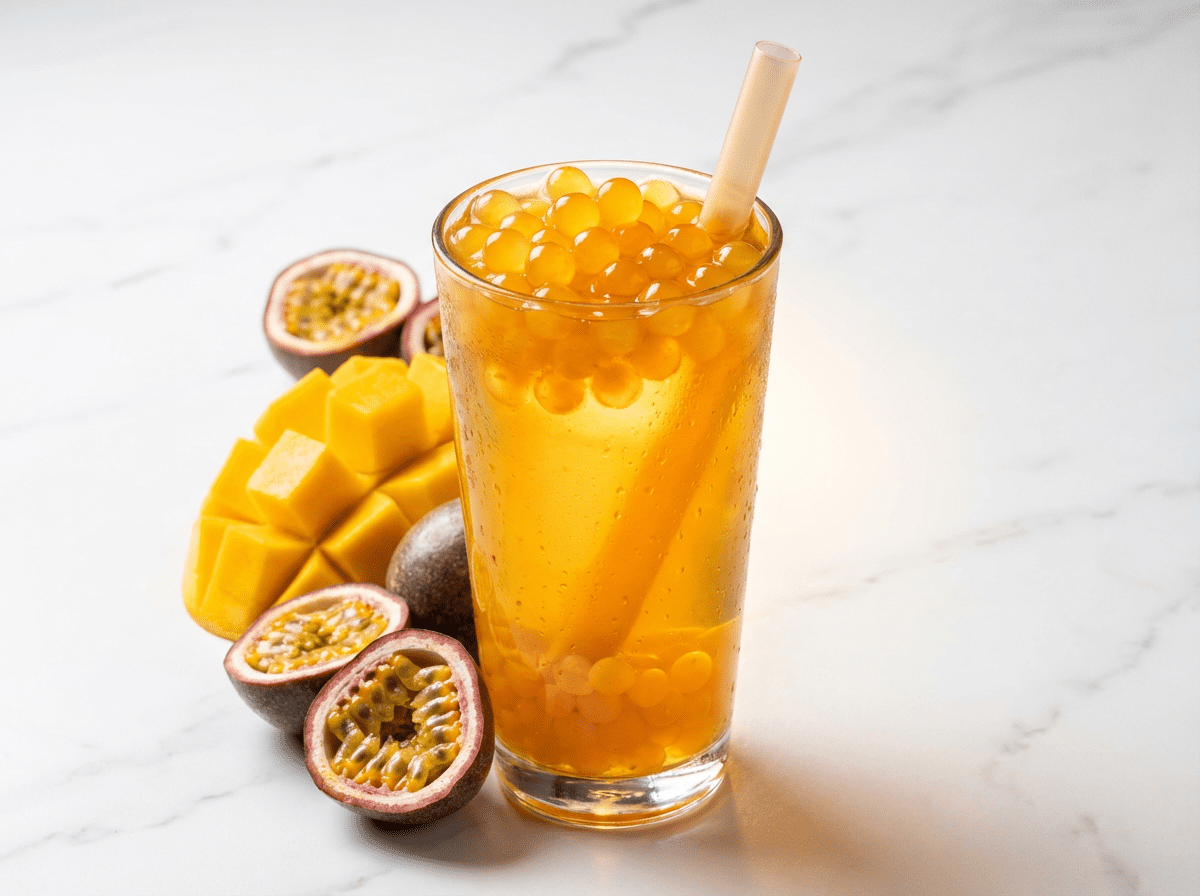
Strategic topping selection aligns with broader menu positioning and customer targeting. Popping boba excels in fruit tea applications where burst-of-juice functionality amplifies fruit-forward profiles. Mango popping boba in passion fruit green tea creates flavor synergy through dual fruit elements delivered via different mechanisms—dissolved juice in the beverage, bursting juice in the topping. This layered fruit experience resonates with customers seeking refreshing, playful beverages. Demographics skew younger, with popping boba showing particular appeal to Gen Z consumers accustomed to sensory novelty and Instagram-worthy beverage experiences.
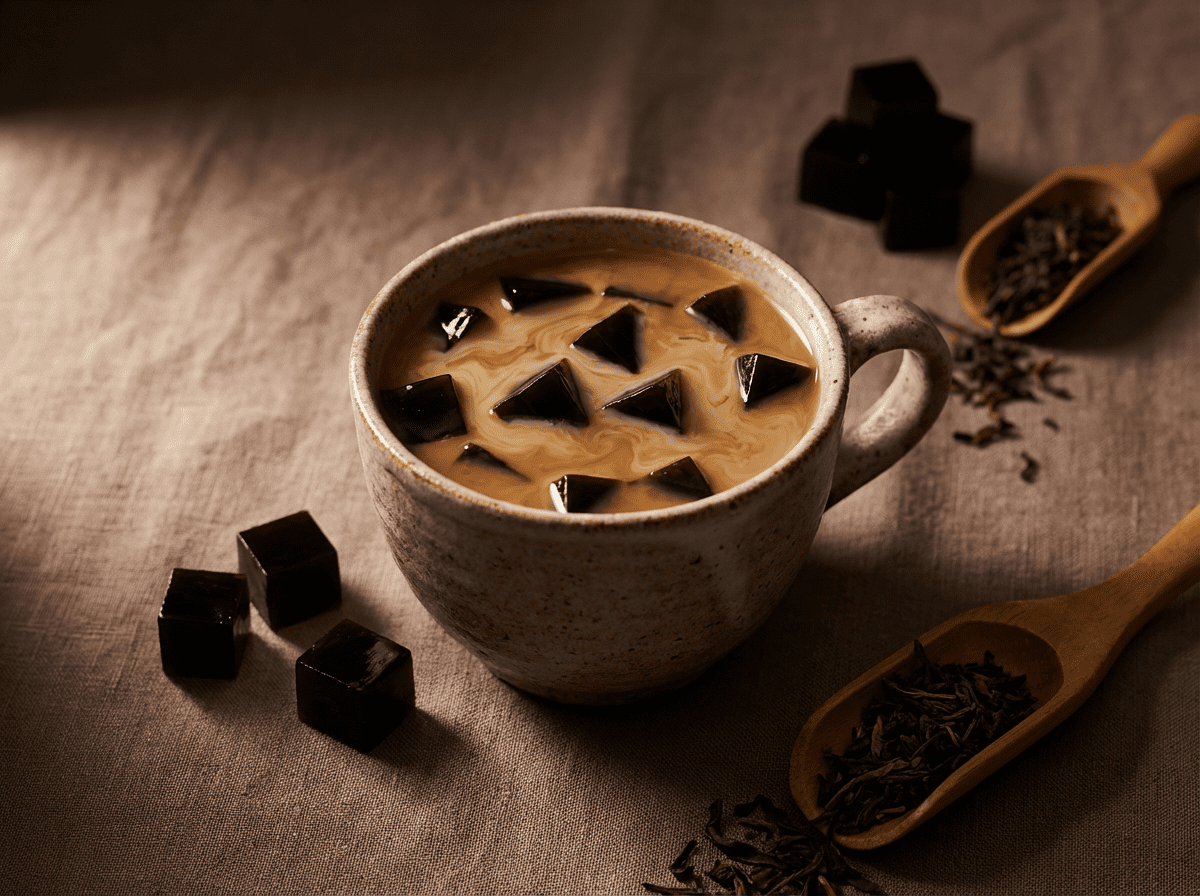
Jelly demonstrates versatility across beverage categories. Grass jelly pairs traditionally with milk teas, providing textural interest without competing with tea flavor profiles. Coconut jelly works in tropical fruit beverages, contributing subtle sweetness and visual appeal through translucent, jewel-like appearance. Aloe jelly suits health-positioned beverages, leveraging consumer associations between aloe and wellness. This adaptability makes jelly suitable for operations serving diverse customer segments from traditional bubble tea enthusiasts to health-conscious consumers seeking lighter topping options.
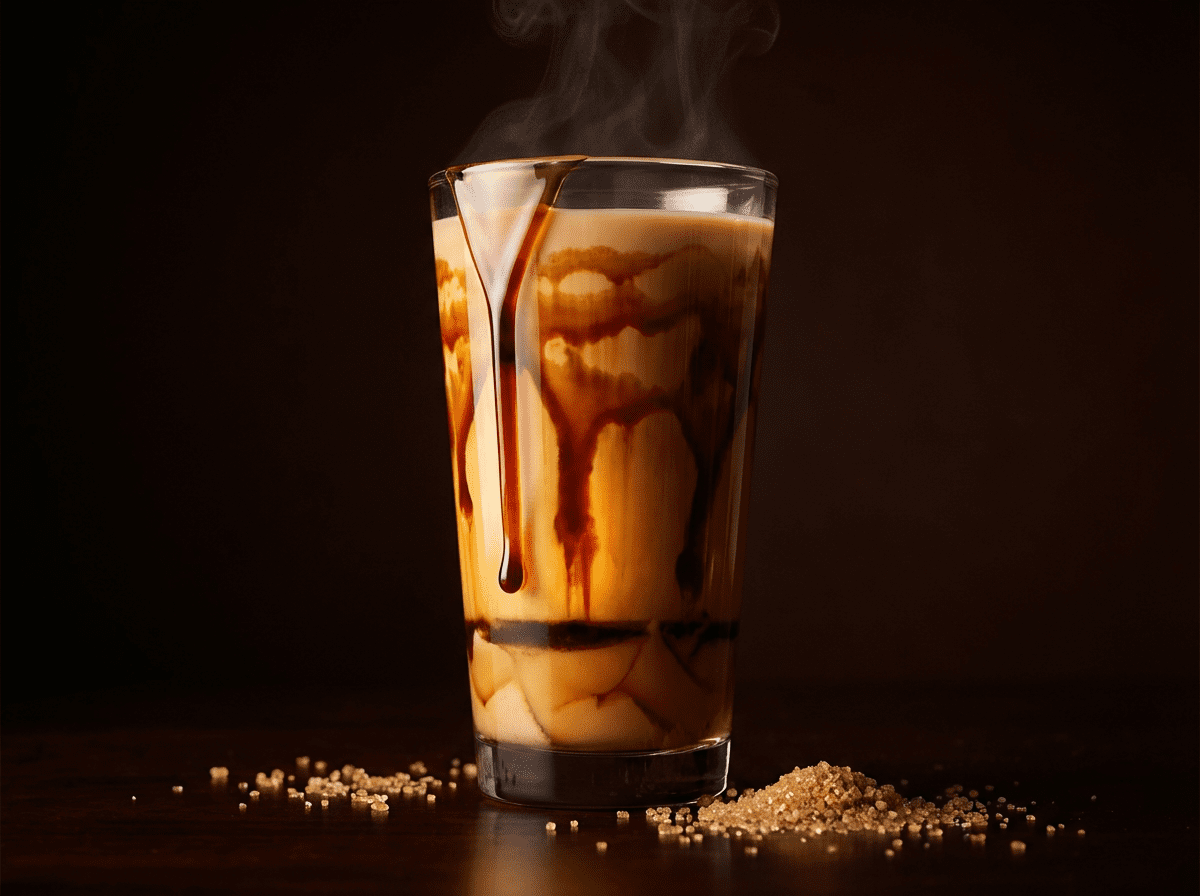
Pudding finds its niche in premium, indulgent beverage concepts. Caramel pudding elevates brown sugar milk tea from trendy to luxurious. Matcha pudding transforms standard matcha latte into a layered dessert experience. Egg pudding—popular in Asian markets—adds nostalgic appeal that resonates with customers seeking authentic bubble tea shop experiences. The creamy richness positions pudding-topped beverages as occasional treats rather than everyday refreshment, suggesting menu roles as signature items or limited-time offerings that drive trial and social media buzz.
From a menu diversification standpoint, offering multiple topping types enables customer customization while managing operational complexity. A focused selection might include popping boba for fruit beverages, jelly for tea-based drinks, and pudding for premium offerings—covering functional requirements across menu segments without overwhelming inventory or training demands. Operators should regularly evaluate topping performance metrics—attachment rates, customer preferences, contribution margins—to optimize topping portfolios based on actual sales data rather than assumptions.
Technical Innovation Trends: What’s Next in Topping Development
The topping innovation pipeline suggests continued technical advancement across all three categories. For popping boba, recent developments focus on membrane stability improvements that extend shelf life and temperature tolerance. Research into alternative gelling agents—pectin-based systems, modified gellan gum—aims to create heat-stable popping boba suitable for warm beverages. Success in this area would significantly expand popping boba applications beyond cold drinks.
Jelly innovation centers on texture modification and functional ingredient integration. Manufacturers are developing low-calorie jellies using resistant starch and soluble fiber that maintain texture while delivering nutrition claims. Protein-enriched jellies incorporating collagen or plant proteins address consumers seeking functional benefits. Texture variations—from ultra-soft “melting” jellies that dissolve gradually to extra-firm “QQ” jellies offering extended chew—provide operators with wider texture palettes for menu differentiation.
Pudding development emphasizes clean-label formulations and plant-based alternatives. Traditional egg-based puddings are being reformulated with plant proteins and native starches to meet vegan consumer demand without sacrificing creamy texture. Sugar reduction strategies using allulose and erythritol maintain sweetness perception while reducing caloric density. These innovations align with broader industry trends toward better-for-you indulgence—products that deliver sensory satisfaction while addressing nutritional concerns.
Looking forward, we’re likely to see hybrid topping systems that combine attributes from multiple categories. Popping boba with jelly exterior coatings could deliver both burst sensation and sustained chew. Pudding-filled jelly cubes might offer creamy centers within elastic shells. These hybrid approaches represent the kind of technical creativity that keeps beverage menus fresh and gives operators competitive differentiation opportunities.
Making the Decision: Selection Framework for Operators
When choosing between popping boba, jelly, and pudding, operators should evaluate several key decision factors systematically. Start with beverage concept alignment—does the topping’s sensory profile complement or enhance the base beverage? Popping boba works when burst-of-flavor dynamics add value; it fails when delicate tea flavors need preservation. Jelly succeeds when texture variety matters more than bold flavor contributions. Pudding elevates when creamy indulgence aligns with product positioning.
Consider operational capabilities honestly. Does the team have refrigeration capacity for popping boba and pudding? Can staff execute gentle handling protocols for fragile popping boba membranes? Does sales volume support popping boba’s short post-opening shelf life, or would jelly’s stability better match demand patterns? These practical considerations often determine success more than aspirational menu concepts.
Evaluate customer preferences through testing rather than assumptions. What seems exciting to operators might not resonate with target customers. Small-scale menu tests with different topping types reveal actual preferences and purchase patterns. Track attachment rates—what percentage of customers add each topping type? Monitor feedback on social media and review platforms for insights into topping performance from the customer perspective.
Finally, assess financial implications across the total value chain. Ingredient costs matter, but so do labor efficiency, waste factors, and pricing power. A higher-cost topping that supports premium pricing and operates efficiently may deliver better margins than a low-cost option requiring extensive labor or generating significant waste. Total contribution analysis—revenue minus total costs—provides clearer guidance than ingredient cost comparisons alone.
FAQ
Popping boba uses spherification technology to encapsulate liquid centers that burst with concentrated flavor. Jelly employs gelling agents like konjac and carrageenan to create elastic gel structures. Pudding combines modified starches with milk proteins for smooth, creamy textures. These three toppings differ fundamentally in texture mechanics, flavor release, temperature tolerance, and storage requirements, suiting different beverage concepts and operational needs.
Jelly toppings have the longest shelf life at 12-24 months unopened with room-temperature stability. Popping boba requires refrigeration for 12-18 months, with 3-5 days post-opening usage. Pudding needs refrigeration for 6-12 months, using within 5-7 days after opening. Jelly’s room-temperature stability reduces refrigeration requirements and minimizes waste, offering the most operational benefit for small to medium operations.
Jelly offers the highest cost-efficiency at $4-8 per kilogram wholesale, with $0.20-0.60 per serving cost. Popping boba costs $8-15 per kilogram wholesale, at $0.50-1.25 per serving. However, popping boba’s novelty factor supports premium pricing that compensates for higher ingredient costs. Selection should consider product positioning, target demographics, and pricing strategy beyond raw material costs alone.
Jelly toppings have the best temperature tolerance, withstanding -5°C to 80°C, suitable for both hot and cold beverages. Popping boba membranes degrade above 35°C, limiting use to cold drinks only. Pudding textures break down above 40°C. Jelly’s thermal stability comes from its hydrocolloid gel network structure, making it the only viable option for hot beverage applications.
Choose toppings based on beverage concept: popping boba suits fruit teas with burst-of-juice excitement. Jelly works for tea-based drinks, adding texture without overpowering flavors. Pudding fits premium milk teas, creating creamy indulgence. Consider operational capabilities (refrigeration space, staff training), sales volume (shelf life requirements), and target customer preferences. Validate through small-scale testing of actual purchase behavior rather than assumptions.
Sources & References
- Institute of Food Technologists (IFT) — Hydrocolloid functionality and texture science research
- UC Davis Food Science & Technology — Gel mechanics and texture analysis methodologies
- Cornell Food Science — Starch chemistry and gelatinization studies
- FDA Food Additive Status List — Regulatory status of hydrocolloids and gelling agents
- Deloitte Consumer Products Research — Beverage industry trends and consumer preferences
About the Author
Dr. Sarah Lin is Product Development Lead at YenChuan, specializing in texture innovation and topping formulation for the global beverage industry. With a Ph.D. in Food Science from UC Davis and 12 years of experience in hydrocolloid applications, she brings deep technical expertise to ingredient selection and menu optimization. What excites Dr. Lin most about topping innovation is watching technical solutions translate to genuine consumer delight—when the right texture elevates an ordinary beverage into a memorable experience that drives customer loyalty and social media enthusiasm.
Connect with YenChuan on LinkedIn.
Transform Your Topping Strategy With Expert Guidance
Choosing the right toppings isn’t just about ingredient selection—it’s about understanding how texture science, operational workflow, and customer preferences intersect to create profitable beverage programs. YenChuan has been developing premium bubble tea toppings and ingredients since 1998, combining food science expertise with deep market knowledge to help operators build winning topping strategies.
Whether you’re evaluating popping boba for a new fruit tea line, optimizing jelly offerings for operational efficiency, or developing signature pudding applications that differentiate your menu, our technical team brings decades of topping expertise to your operation. We don’t just supply ingredients—we collaborate on texture optimization, provide menu customization support, and deliver training that ensures consistent execution across your locations.
Ready to elevate your topping game? Book a consultation with our product development team →