
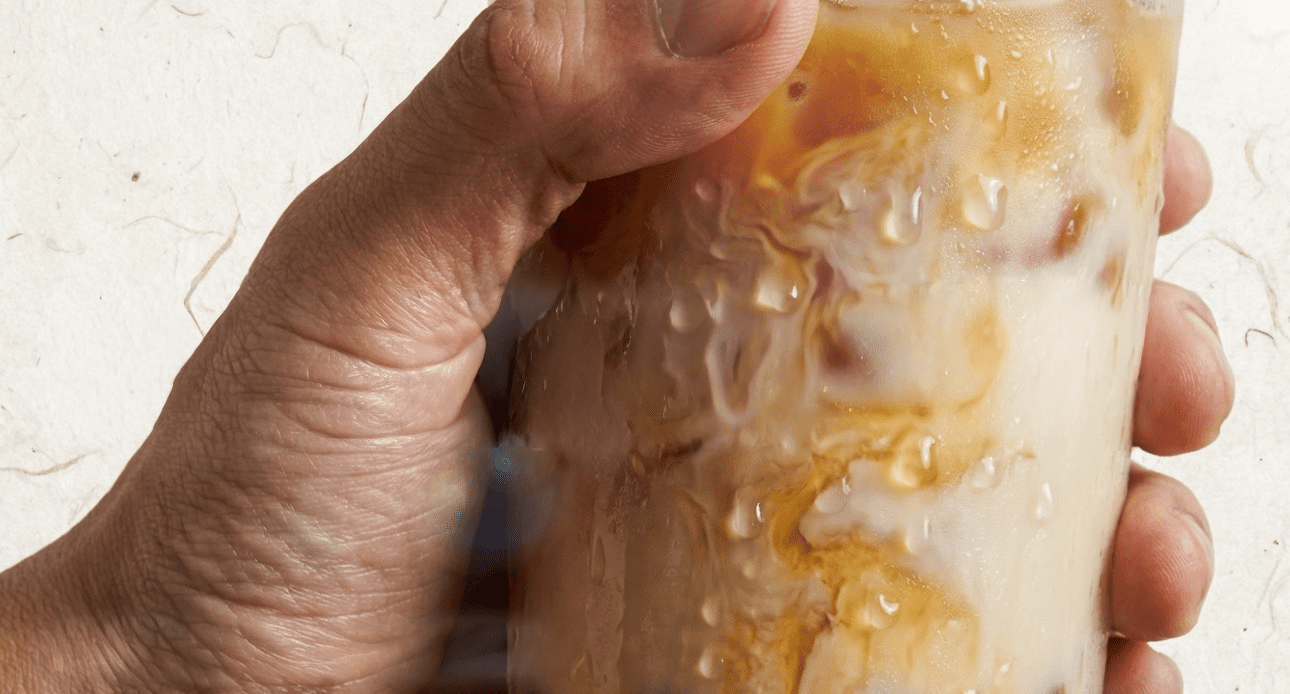
Authentic boba tea requires five core ingredient categories: a tea base, tapioca pearls, sweeteners, milk or dairy alternatives, and toppings. The global bubble tea market reached USD 2.83 billion in 2025, according to Fortune Business Insights, with Taiwan supplying the vast majority of base ingredients to shops worldwide. This guide breaks down each ingredient category with sourcing standards, cost benchmarks, and supplier evaluation criteria for shop owners and procurement professionals.
Tea Base: The Foundation of Every Cup
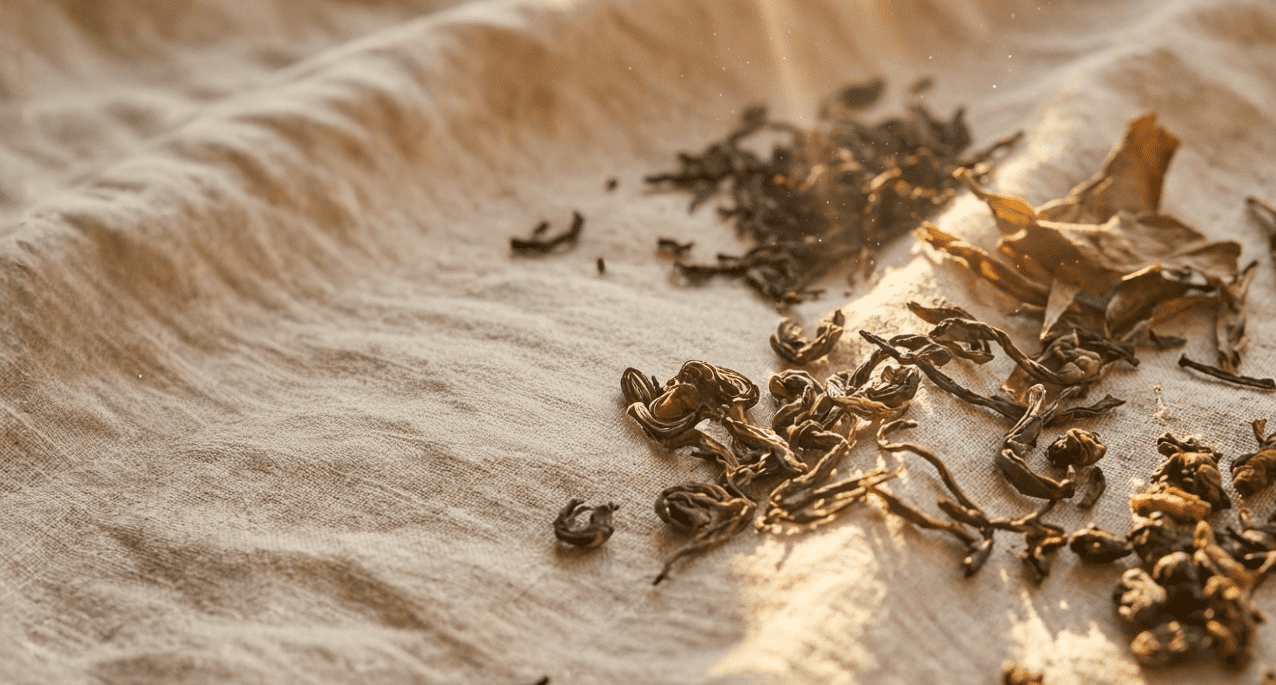
Tea determines the flavor profile of the final product. Black tea holds a 43.25% share of the bubble tea market as of 2024, per Mordor Intelligence data, followed by green tea, oolong, and white tea.
The right tea base depends on three factors: fermentation level, origin terroir, and brewing consistency at scale. Assam black tea delivers a bold, malty flavor that pairs well with milk. Jasmine green tea offers a lighter, floral profile suited to fruit tea combinations. Oolong — particularly Dong Ding varieties from Taiwan — balances roasted notes with natural sweetness, making it popular across Southeast Asian markets.
| Tea Type | Flavor Profile | Best For | Market Share (2024) |
|---|---|---|---|
| Black tea | Rich, malty | Milk tea, classic boba | 43.25% |
| Green tea | Fresh, herbaceous | Fruit tea, matcha latte | ~25% |
| Oolong | Floral, roasted | Pure tea, light milk tea | ~15% |
| White tea | Delicate, honeyed | Specialty drinks | ~5% |
For commercial operations, batch consistency matters more than single-origin prestige. Request samples across three consecutive production batches from any potential tea leaf supplier before committing to a purchase order. Suppliers with ISO 22000 certification typically maintain tighter quality controls between batches.
Tapioca Pearls: The Signature Texture
Tapioca pearls — the chewy, marble-sized balls that define bubble tea — are made from cassava starch, typically colored with brown sugar or caramel. Medium-sized pearls (5-8mm) account for 44.7% of global market share in 2025, according to Future Market Insights, making them the standard commercial choice.
Pearl selection affects both customer experience and kitchen operations. Traditional pearls require 25-30 minutes of cooking, while quick-cook versions need only 5-10 minutes. Ready-to-eat instant pearls skip the cooking step entirely, trading some texture nuance for operational speed.
| Pearl Type | Prep Time | Shelf Life (Unopened) | Best For |
|---|---|---|---|
| Traditional | 25-30 min | 9-12 months | Dine-in shops |
| Quick-cook | 5-10 min | 6-9 months | High-volume shops |
| Instant/ready-to-eat | None | 3-6 months | Grab-and-go, retail |
Cooked pearls lose their chewy texture within 3-4 hours at room temperature. Most shops discard pearls after 24 hours, as they harden significantly. Factor this spoilage rate into daily prep calculations — a shop serving 300 cups daily needs to batch-cook pearls multiple times rather than preparing everything at opening.
How to Find Reliable Boba Tea Suppliers
Supplier quality determines product consistency and food safety compliance. Evaluate potential boba tea suppliers across four dimensions:
Certifications. HACCP, ISO 22000, and FSSC 22000 form the international standard trio. Most mid-to-large Taiwanese manufacturers hold all three, with additional SGS third-party verification. Request copies of current certificates before ordering samples.
Product range. A supplier offering tea leaves, tapioca pearls, powders, syrups, and packaging reduces logistics costs and simplifies procurement. Single-source purchasing also ensures ingredient compatibility across your menu.
OEM/ODM capability. Brand differentiation requires customization support — private labeling, flavor adjustments, and proprietary formula development. Taiwanese suppliers like Yen Chuan typically offer end-to-end customization from recipe development through packaging design.
Sample policy and MOQ flexibility. First-time buyers should confirm whether free or low-cost samples are available. Minimum order quantities that accommodate startup-stage volumes signal a supplier willing to build long-term relationships.
Taiwan remains the world’s largest exporter of bubble tea base ingredients, with exports growing 331% compared to 2018, per Research Nester data. This dominance stems from Taiwan’s integrated supply ecosystem: tea cultivation, pearl manufacturing, and syrup formulation all happen on-island, shortening supply chains and maintaining consistent quality control.

Sweeteners and Syrups: Managing the Sugar Profile
Sugar in bubble tea comes from two sources: base sweeteners and the toppings themselves. Standard options include fructose syrup, cane sugar syrup, brown sugar syrup, and honey.
Fructose syrup is the industry default for its solubility and stable sweetness in cold drinks. Brown sugar syrup commands higher margins, delivering both the signature “tiger stripe” visual effect and a caramel depth that customers pay a premium for.
Health-conscious demand is reshaping this category. A 2024 IFIC survey found that 72% of U.S. consumers actively monitor sugar intake. Keto-friendly syrups and zero-calorie sweeteners are gaining shelf space as brands develop reduced-sugar menu options without sacrificing taste.
Real fruit juice syrups serve a dual purpose: sweetening and flavoring simultaneously. Sourcing syrups made with actual fruit juice — passion fruit, mango, lychee — reduces reliance on artificial flavoring and aligns with clean-label consumer expectations.

Milk and Dairy Alternatives: Choosing Your Base
Milk determines the body, mouthfeel, and calorie structure of each drink. Milk-based formulations held 58.88% of the bubble tea market in 2024, per Mordor Intelligence, but plant-based alternatives are expanding at an 11.29% CAGR through 2030.
Fresh milk provides natural richness but costs more and requires cold-chain logistics. Non-dairy creamer powder offers lower cost, longer shelf life, and consistent flavor — the practical choice for most chain operations. Increasing consumer demand for ingredient transparency is shifting the market toward non-hydrogenated creamer formulations.
Among plant-based options, oat milk leads in Western markets for its creamy texture. Coconut milk dominates Southeast Asia. Almond milk has carved a niche in health-oriented North American shops. If adding plant-based options, verify cold-drink solubility and frothing performance with your supplier before menu launch.
Bubble Tea Wholesale: Pricing Structure and Procurement Strategy
Wholesale purchasing (bubble tea wholesale) is the primary lever for managing ingredient costs at scale. Understanding price drivers helps negotiate better terms.
Three factors shape wholesale pricing: order volume, shipping method, and payment terms. Full container load (FCL) shipments typically run 15-25% cheaper per kilogram than less-than-container load (LCL). Many Taiwanese suppliers offer first-order trial discounts for new customers, with reduced MOQ options to lower initial risk.
| Product | Typical MOQ | Reference Wholesale Price |
|---|---|---|
| Tapioca pearls | 500 kg | USD 1.5-3.5/kg |
| Tea leaves | 100 kg | USD 8-25/kg |
| Fructose/syrups | 200 kg | USD 1.0-2.5/kg |
| Flavored powders | 100 kg | USD 5-15/kg |
| Creamer powder | 200 kg | USD 3-8/kg |
Maintain 2-3 backup suppliers, particularly for tapioca pearls. Cassava harvests fluctuate with weather conditions, and single-source dependency creates supply risk. Diversified sourcing is a basic risk management practice for any boba business scaling beyond a single location.
Powders: Multi-Purpose Flavor and Texture Ingredients
Powder-based ingredients serve multiple roles in a bubble tea menu. Milk tea powders provide quick-brew bases. Smoothie powders create blended textures. Jelly powders produce topping varieties. Cream top powders make cheese foam toppings.
Matcha powder ranks among the fastest-growing powder categories, functioning as both a tea base and a latte ingredient. Purchasing matcha for commercial use requires attention to grade: ceremonial grade costs more but delivers pure flavor; culinary grade offers better cost efficiency for blended drinks where other flavors mask subtle differences.
Packaging and Equipment: The Overlooked Essentials
Bubble tea supplies extend beyond food ingredients. Cups, lids and sealing film, wide straws, and sealing machines form the complete serving system.
Environmental regulation now directly shapes packaging choices. The EU has banned single-use plastic straws, and similar policies are spreading globally. Bamboo fiber straws, paper straws, and compostable alternatives are replacing traditional plastic across markets. Confirm your target market’s packaging regulations before placing bulk orders — non-compliant imports create waste and legal exposure.

Sources
- Fortune Business Insights — Bubble Tea Market Report
- Mordor Intelligence — Bubble Tea Market Size & 2030 Growth Trends
- Research Nester — Bubble Tea Market Size & Share
- Future Market Insights — Tapioca Pearls Market
- Wikipedia — Bubble Tea
Frequently Asked Questions
Start with food safety certifications — HACCP, ISO 22000, and FSSC 22000 are the baseline. Verify product range covers tea, pearls, syrups, and powders. Taiwan’s trade directories (Taiwantrade.com) list certified manufacturers. Most Taiwanese suppliers offer samples and flexible first-order MOQs.
For a shop averaging 200 cups daily, first-batch ingredient procurement runs USD 3,000-8,000 depending on menu complexity. Tapioca pearls and tea leaves account for 40-50% of total ingredient costs. Start with core items, validate sales data, then expand your SKU range.
Taiwanese tapioca pearls use cassava starch as the primary ingredient, delivering consistent chewiness and longer shelf stability. Most Taiwanese manufacturers hold FDA and EU food safety certifications. Pearls from other regions cost 30-40% less but show greater variation in texture and fewer international certifications.
Essential items include: tea leaves (at least one black and one green), tapioca pearls, fructose syrup, creamer or fresh milk, 2-3 flavored syrups, sealing film, and cups. Advanced items add cream top powder, smoothie powder, and specialty toppings. Keep your initial range to 15-20 SKUs and scale after operations stabilize.
Taiwanese franchise packages typically bundle brand licensing, an initial ingredient supply, equipment lists, staff training, and operational SOPs. Most brands require franchisees to purchase core ingredients from designated suppliers for taste consistency. Franchise fees range from USD 15,000 to USD 80,000 depending on brand scale and territory.
Author: Yen Chuan Marketing Team
After four decades in the bubble tea ingredient business, one pattern stands out: the brands that scale successfully invest in ingredient strategy before marketing strategy. Raw material quality sets the floor for your product, and supply chain reliability sets the ceiling for your expansion speed. For operators evaluating suppliers, my advice is to define your brand positioning first, then work backward to the ingredient specs that support it. That approach prevents the quality disputes and customer complaints that come from purely price-driven purchasing decisions.
Looking for a bubble tea ingredient supplier or need expert guidance on recipe development and ingredient selection? Contact the Yen Chuan team to schedule a consultation.